Article: The New Zealand Flatworm
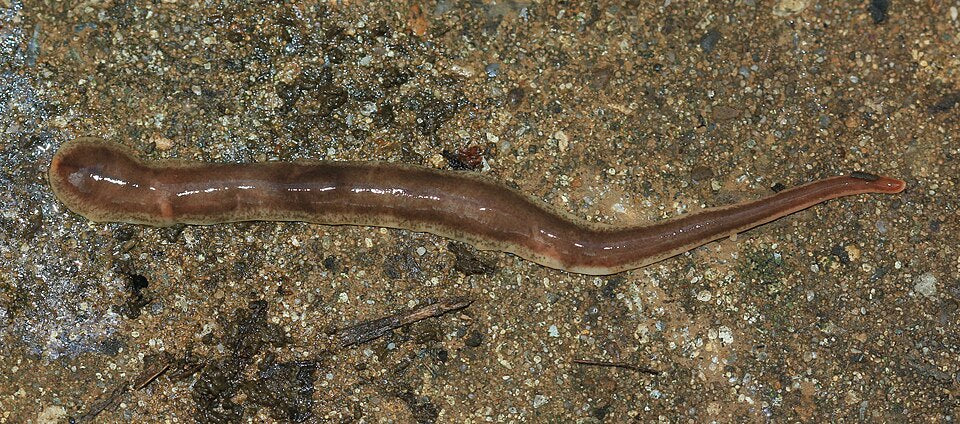
The New Zealand Flatworm
Another invasive, potentially harmful species of worm originally hailing from New Zealand, with an equivalent species also hailing from Australia. Most likely these were introduced into the UK in the 60/70s via imported soils in the form of unhatched eggs.
This is bad news for UK agriculture as the flatworm feeds almost exclusively on regular earthworms which leads to a severe degradation in soil quality. As you probably know, the earthworm is highly beneficial to soil quality, increasing the the availability of nutrients as well as improving aeration and water management.
So what can be done about this harmful invasive species? The truth is, this is a very persistent pest, making eradication practically impossible. If you cut one in half, both sections will regenerate, doubling the problem. To minimise their numbers you can do the following:
1) Add plenty of quality organic matter to the soil as this will improve conditions for regular earthworms helping to keep the population healthy.
2) Check in shady areas such as under rocks, plant pots and planks. Destroy flatworms and their eggs (which look like flattened blackcurrants) by placing them in a pot of vinegar, strong brine solution or boiling water. Do not touch either with your bare hands as the mucous they produce can be a strong irritant.
3) Create traps by placing large plastic sheets on the ground. Flatworms will be attracted to the damp shady climate you have created and will congregate accordingly. Leave for a few days and then lift the sheet and collect as many as possible, for destruction.
4) Clear ground clutter. This reduces the number of viable hiding places for flatworms to hide in during daytime heat.
5) Prevent recontamination. When buying/importing new plants, be sure to thoroughly check plant roots and the bottom of plant pots for any specimens. If any are found, destroying the entire plant is recommended. Burning in a bonfire is probably the best choice.
Naturally, the best way to deal with this pest is to take all precautions possible so as not to introduce them into your garden in the first place. Unfortunately, once they are there, they are probably there for good.
Team Bushgear
Photo courtesy of ESV (https://commons.wikimedia.org/wiki/User:Esv)